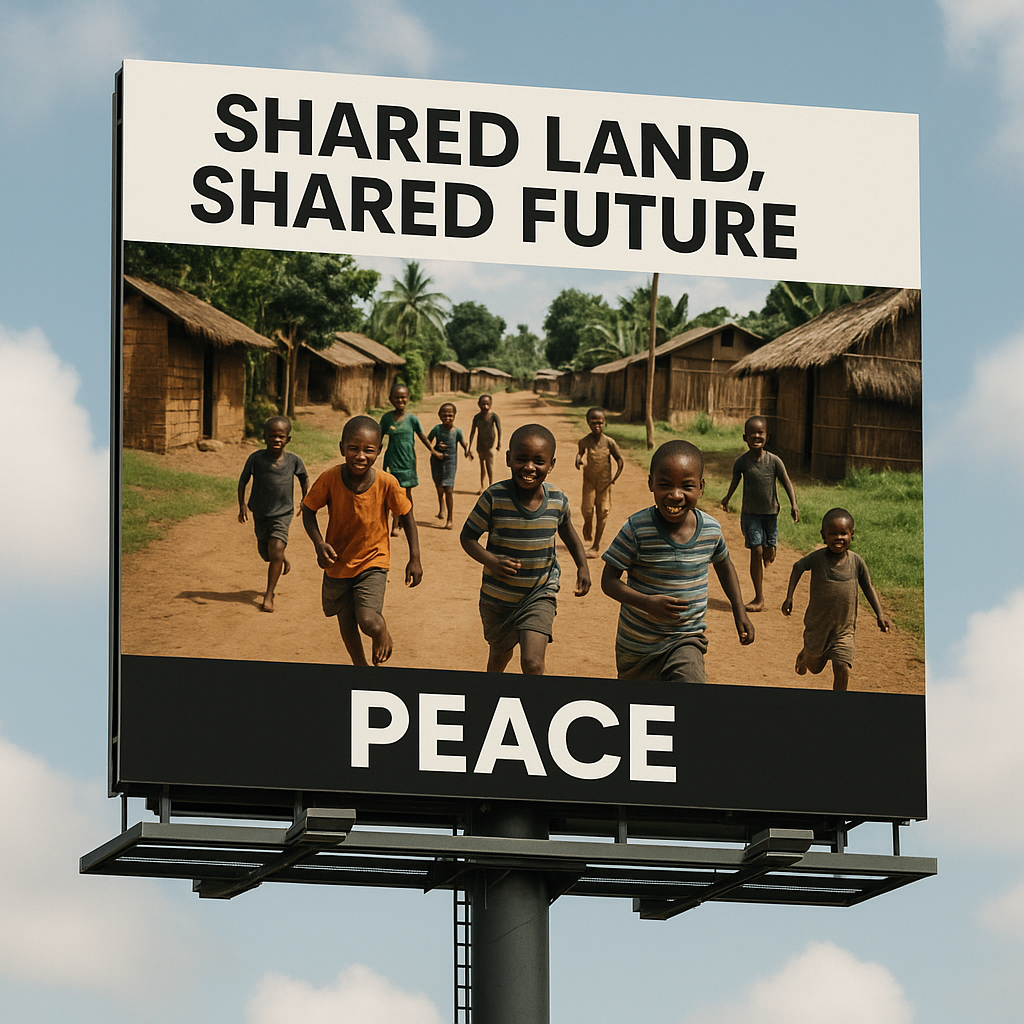
Marketing Beyond Products and Services
Like many professionals in the development sector, I recently found myself navigating the uncertainties caused by humanitarian funding cuts. With organizations struggling to sustain their operations, I was searching for new job opportunities—exploring consultancy roles, communications positions, and anything that aligned with my expertise. Amid this search, I came across an advert for a Marketing Peace Consultant. At first, the phrase felt unusual—marketing and peace didn’t seem like an obvious combination. But the more I explored the concept, the more I realized that peace, much like a brand, requires visibility, engagement, and emotional appeal. Could the powerful strategies of consumer marketing help bring harmony to a divided world?
A World in Crisis Deaf Ears
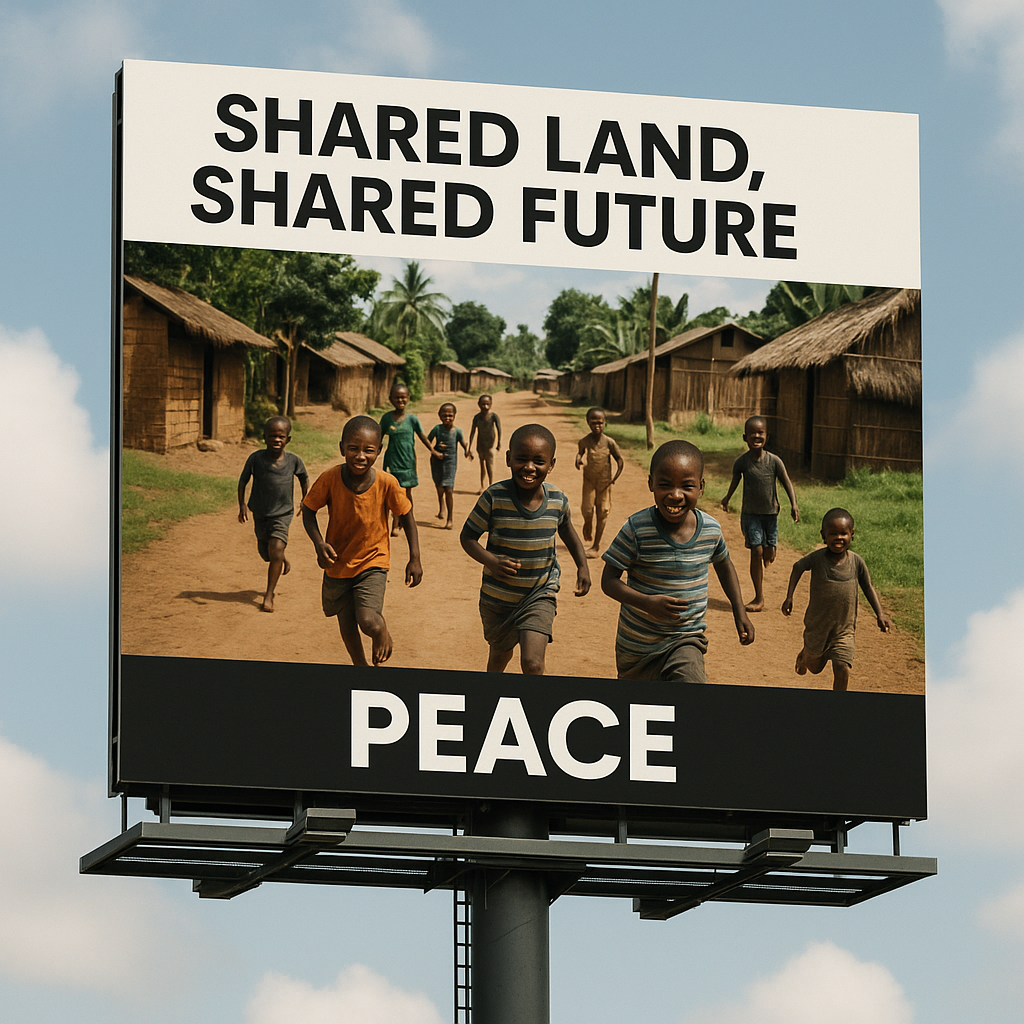
Every day, news headlines show us images of war, starvation, terrorism, and political division—from Gaza to Sudan, Burkina Faso, India, and the U.S. According to the World Bank (2023), one in six people lives in a conflict zone. Traditional peacebuilding often feels distant—high-level diplomacy disconnected from the everyday struggles of ordinary people. NGOs try to spread messages of peace, but their efforts often go unnoticed.
Meanwhile, corporations spend billions perfecting ways to shape human behavior and build loyalty. Coca-Cola isn’t just selling soda—it’s selling “Open Happiness,” an emotional connection in every sip. Apple sells not just phones but identity: “Think Different.” Marketers know how to create emotional bonds. So why aren’t these same techniques being used to fight hate?
Peace Marketing: Promoting Unity Like a Brand
Peace marketing applies branding, storytelling, and engagement strategies to support peace initiatives. Just like companies create demand for their products, peace marketing can inspire people to support conflict resolution efforts. It follows marketing principles but gives them a new purpose:
- Segmentation – Tailoring messages differently for ex-combatants and traumatized youth.
- Positioning – Framing peace not as “compromise” but as “dignity,” “safety,” or “pride.”
- Storytelling – Replacing dry statistics with emotional narratives that inspire empathy.
- Influence – Relying on community leaders, rather than celebrities, to deliver messages.
One example is Peace One Day, founded by Jeremy Gilley. His campaign successfully lobbied for the United Nations to recognize September 21 as the International Day of Peace. Through powerful storytelling, celebrity endorsements, and partnerships, the initiative has led to ceasefires and humanitarian actions worldwide.
Similarly, the Interreligious Council of Sierra Leone (IRCSL) helped bring peace during the country’s civil war. Religious leaders from different backgrounds worked together to mediate between warring factions, using public messaging and grassroots engagement to promote reconciliation.
As I read these initiatives, I realized peace marketing wasn’t just charity—it was behavioral science applied to social change. If marketing can drive business success, it can also foster peace, making societies more stable and economically viable.
As Seth Godin said, “Marketing is no longer about the stuff you make, but the stories you tell”. We can either let attention economics be used to fuel conflict—or use them to heal. This journey left me feeling both excited and reflective.
Can marketing strategies created to drive consumer impulses be used ethically for peace? Or is marketing peace too idealistic to be effective?
References:
- World Bank. (2023). Conflict and Development. https://www.worldbank.org/en/topic/fragilityconflictviolence
- Peace One Day
- Interreligious Peacebuilding in Sierra Leone
- Current Conflicts Around the World