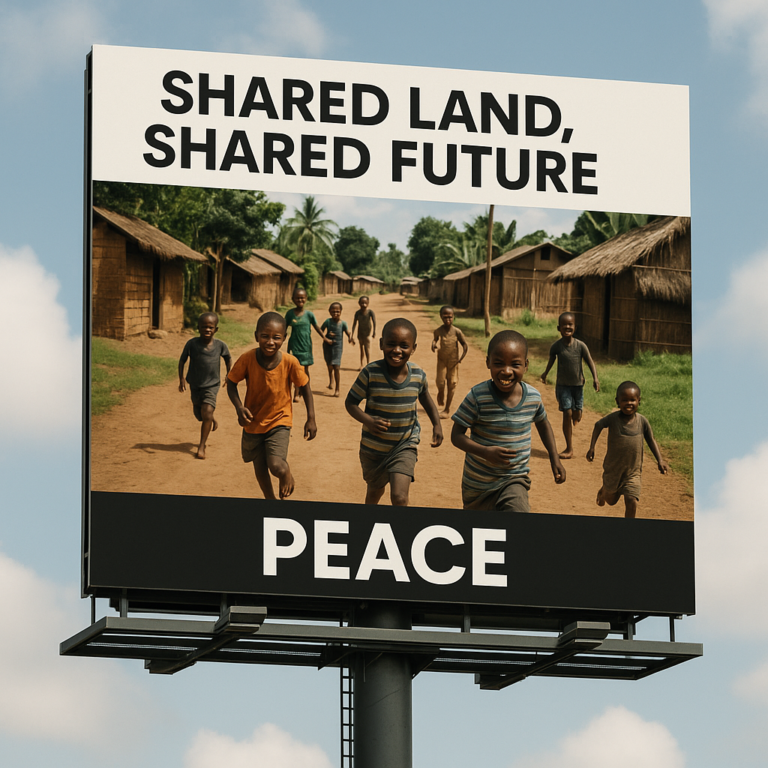
Can Social Media be used to Market Peace?
In the early hours of June 14, 2025, social media lit up with videos of missiles streaking across the skies over Tel Aviv and Haifa. Iran had launched several missiles at Israel’s energy and military infrastructure. Within minutes, footage of explosions, sirens, and terrified civilians flooded platforms like X (formerly Twitter), Instagram, and TikTok.
Media houses scrambled for firsthand information each coming live on TV and YouTube to inform the world. Social media users across the region posted real-time updates, turning the conflict into a viral spectacle. Hashtags like #IranStrikes and #IsraelUnderAttack trended globally. The digital battlefield was just as active as the physical one.
This moment, tragic and chaotic, reminded me of something powerful: social media doesn’t just report war; it shapes how we experience it. But what if we re-purposed the script? What if we used the same tools that amplify conflict to make peace promotion viral?
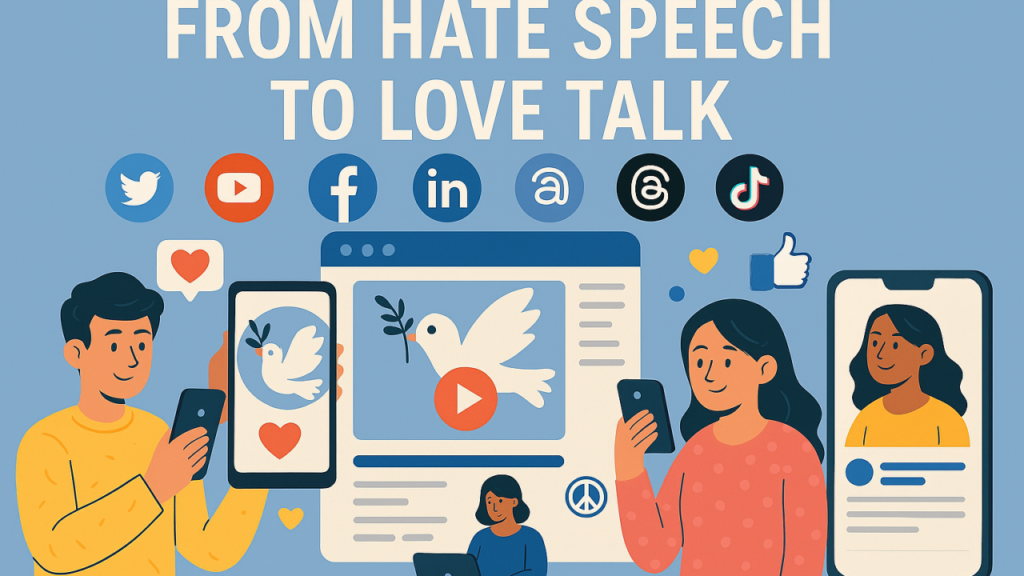
Social Media as a Tool for Peace Marketing
In my first article, I explored how peace can be marketed like a brand. Now, let’s turn to the digital frontlines, social media, to ask: how can we make peace go viral?
- Storytelling and Visuals That Sparks Empathy: People don’t connect with statistics, they connect with stories. Peace campaigns should spotlight survivors, peacemakers, and everyday heroes through platforms like Instagram and TikTok, ideal for sharing short, emotional narratives. These stories should leverage infographics, animations, and short-form videos to simplify complex issues and make them shareable through social platforms. For example, UNHCR’s refugee stories have helped humanize crises and build global solidarity (Madianou, 2019).
- Influencer Power & Community Movements: Influencers shape public opinion. Imagine if peace had ambassadors and celebrities as passionate as fashion or tech brands do. Collaborations with celebrities, activists, and even micro-influencers can turn peace into a movement, not just a message.
- Countering Misinformation with Truth : False narratives spread faster than facts (Vosoughi et al., 2018). Peace marketing must include fact-checking, partnerships with credible media, and campaigns that debunk harmful myths. PeaceTech Lab is a good example of the use of AI to track hate speech and promote conflict-sensitive storytelling (Powers & Jablonski, 2015).
- Viral Campaigns That Mobilize: Hashtags like #BlackLivesMatter and #MeToo show how digital movements can drive real-world change. Peace campaigns can do the same—through challenges, petitions, and live events that invite participation and build momentum.
Can Online Peace Reporting Compete with Conflict Reporting?
The Iranian strike on Israel showed us how quickly war can dominate our feeds. This is not the first in our history. But it also revealed the power of digital platforms to shape global consciousness. If war can go viral, why not peace?
What would it take for peace to trend on your timeline? What kind of peace content would make you stop scrolling?
References
- Green, M. C., & Brock, T. C. (2000). The role of transportation in the persuasiveness of narratives. Journal of Personality and Social Psychology, 79(5), 701-721
- Madianou, M. (2019). Technocolonialism: Digital Innovation and Data Practices in the Humanitarian Response to Refugee Crises. Social Media Society, 5. https://doi.org/10.1177/2056305119863146
- Powers, Shawn M., and Michael Jablonski, The Real Cyber War: The Political Economy of Internet Freedom (Champaign, IL, 2015; online edn, Illinois Scholarship Online, 20 Apr. 2017), https://doi.org/10.5406/illinois/9780252039126.001.0001
- Soroush Vosoughi et al. (2018), The spread of true and false news online. Science 359,1146-1151(2018).DOI:10.1126/science.aap9559.